How to Choose Fishkill Paving Contractor for Professional Asphalt Solutions
How to Choose Fishkill Paving Contractor for Professional Asphalt Solutions
Blog Article
Reliable Paving Contractor for Long-lasting Driveways and Roads
Selecting a trustworthy paving contractor is crucial for constructing durable driveways and roads. Proper selection guarantees durability and excellence in paving projects. Elements such as credentials, client reviews, and material expertise significantly impact the outcome. Grasping the nuances of costs and maintenance can additionally improve the decision-making process. As property owners consider their choices, multiple important aspects demand careful evaluation to achieve a worthwhile investment. What should they emphasize in their quest?
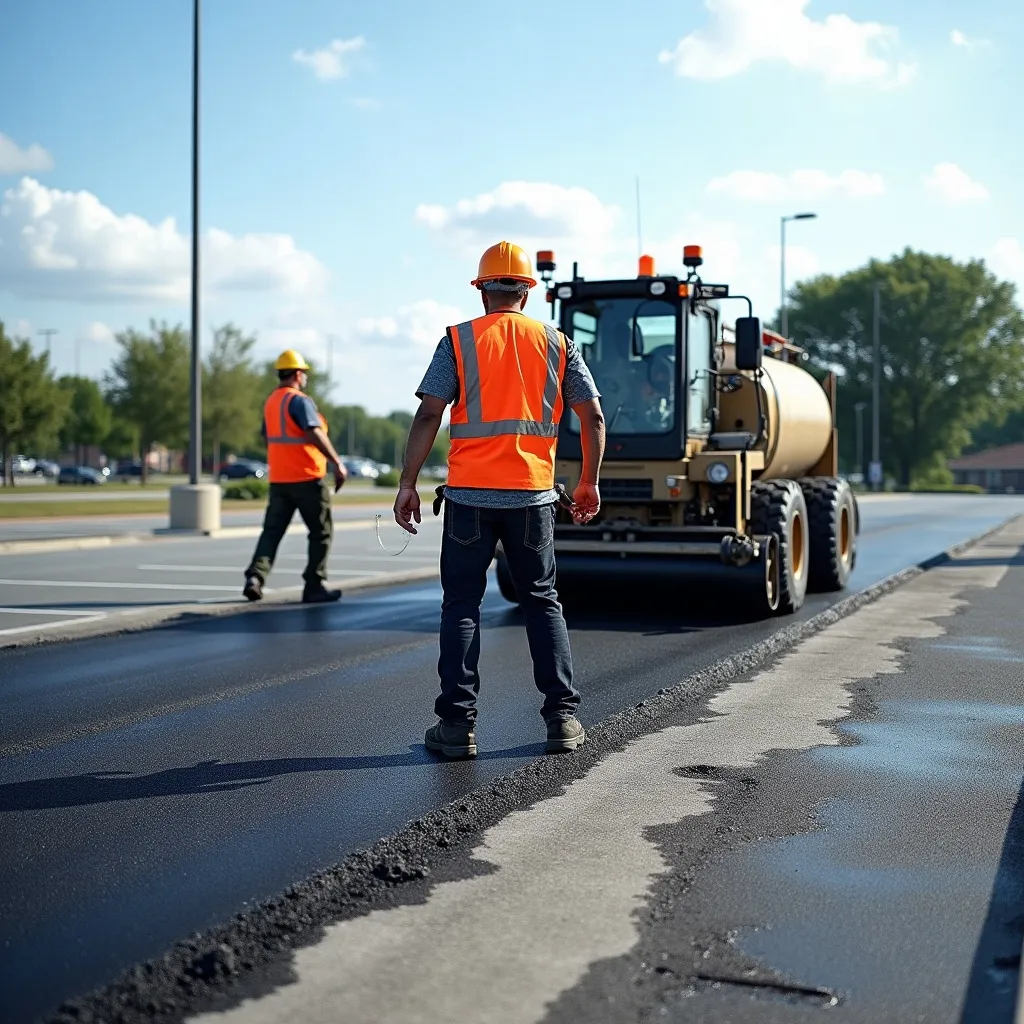
Guide to Finding an Knowledgeable Paving Contractor
When selecting an veteran paving contractor, one might wonder what key factors to assess. First, it is essential to check the contractor's credentials, such as licenses and insurance, to confirm compliance with local regulations and protection against liabilities. Next, reviewing customer testimonials and past project portfolios can provide insight into the contractor's workmanship and consistency.
Additionally, getting multiple estimates can help gauge the market rate for services and recognize any red flags, such as unusually low bids. Experience in specific paving types, such as residential driveways or commercial parking lots, is another critical consideration, as specialized knowledge often leads to better outcomes. Communication skills are also vital; a contractor should be responsive and willing to address questions or concerns. Finally, evaluating warranties or guarantees offered can indicate the contractor’s confidence in their work and commitment to customer satisfaction.
Best Choices for Your Driveway Area
When choosing materials for a driveway, homeowners often weigh the pros and cons of asphalt and concrete. Each option offers distinct characteristics that can affect durability and cost. Additionally, gravel offers a more budget-friendly alternative but includes its own set of benefits and drawbacks.
Selecting Between Asphalt versus Concrete
Which composition offers the best balance of durability and cost for driveways: asphalt or concrete? Asphalt is typically favored for its minimal primary investment and expedited installation operation. It characteristically provides a refined surface that can withstand unforgiving climate elements, establishing it a viable selection for substantial property dwellers. However, asphalt requires routine maintenance, encompassing treating and overlay, to prolong its service life.
In contrast, concrete is noted for its longevity and slight maintenance requirements. With proper installation, concrete driveways can last over 30 years. In addition, concrete offers a multitude of aesthetic options, including decorative finishes. Even though the initial investment is higher, the minimized maintenance requirements can prove a cost-effective solution throughout time. Ultimately, the decision depends on individual tastes and financial plan.
Pros and Cons of Gravel
While asphalt and concrete are common selections for driveways, gravel also serves as a practical alternative with its own strengths and weaknesses. One major advantage of gravel is its budget-friendly nature; it typically requires a lower initial expense compared to asphalt and concrete. Additionally, gravel delivers excellent drainage capabilities, reducing the likelihood of water pooling. However, it is not free from drawbacks. Gravel driveways can demand consistent upkeep, such as periodic replenishment and raking to preserve a level appearance. Furthermore, they may create problems with erosion and can be less stable for heavily used spaces. Ultimately, the decision to select gravel should weigh both its cost savings and the homeowner's willingness to invest in continuous maintenance.
Evaluating Client Feedback: What to Consider
How can potential customers determine the quality of a paving contractor through client reviews? Evaluating these reviews requires attention to specific factors. First, customers should focus on overall ratings; a high average score often indicates satisfactory service. Next, the volume of reviews is vital; a greater number provides a more reliable picture of the contractor's performance.
Clients should also examine the details of individual reviews. Positive feedback about timeliness, responsiveness, and work quality is crucial. Furthermore, recurring themes in unfavorable feedback, such as inadequate customer support or project delays, can indicate potential issues.
Moreover, responses from the contractor regarding reviews highlight their dedication and proficiency to customer satisfaction. Finally, examine feedback from various platforms to achieve a comprehensive understanding. By focusing on these factors, potential clients can make educated decisions about their asphalt paving professional.
What are the Important Inquiries to Ask Your Paving Contractor?
Choosing the right pavement contractor demands that you ask suitable inquiries, which can significantly influence how the source job concludes. It is critical to question their years of experience and what categories of work they have executed. Grasping their strategy with materials and techniques may also shed light on the standard of work you should anticipate.
Prospective clients should inquire regarding licensing and insurance to ensure the service provider satisfies legal requirements and is protected against potential liabilities. Additionally, discussing the timeline for project completion and any possible postponements is essential.
Looking into warranties on both goods and workmanship can shield the investment. At last, it's beneficial to request references or examples of previous work to determine the vendor's reliability and artistry. These inquiries not only elucidate expectations but also forge a foundation for effective communication within the project.
Paving Costs: What to Expect
Understanding paving costs is vital for residents considering a project. Several considerations, including selection of materials and pricing, greatly influence the overall expense. Additionally, evaluating enduring benefits can help in reaching educated conclusions about paving investments.
Factors Affecting Paving Expenses
Numerous considerations determine paving costs, making it essential for property owners to recognize the variables at play. One key aspect is the size of the area to be paved; larger spaces typically require higher costs due to increased material and labor requirements. Additionally, site conditions, such as soil quality and drainage, can determine pricing, as extensive preparation may be needed. Local labor rates also play an vital role; areas with a higher cost of living often have higher labor expenses. Moreover, the complexity of the project, including intricate designs or existing structures, can lead to additional costs. Finally, seasonal factors may determine pricing, as contractors often adjust rates based on demand fluctuations throughout the year.
Material Types and Pricing
Various material options greatly impact overall paving expenses, each bringing unique benefits and different price ranges. Asphalt, celebrated for its budget-friendly nature and quick installation, typically ranges from $3 to $5 per square foot. Concrete, while more durable, can cost between $4 and $8 per square foot, depending on finish and thickness. Pavers, constructed from brick or stone, offer aesthetic appeal but usually fall from $10 to $20 per square foot, labor included. In addition, permeable paving systems, which facilitate water drainage, tend to cost more because of their specialized materials and installation techniques. Homeowners must assess these options thoughtfully, balancing initial costs with expected lifespan and required functionality for their driveways and roads.
Sustained Growth Considerations
When choosing paving materials, enduring worth is crucial in the overall decision-making process. Homeowners and contractors alike must evaluate not only the upfront expenses but also the longevity, upkeep, and service life of the chosen materials. Asphalt, for instance, may provide reduced initial expenses but could require more regular maintenance versus concrete, which is typically more long-lasting over time. Additionally, elements including local weather conditions and traffic volume can influence the durability of the pavement. Choosing high-quality materials may result in higher initial expenses, yet this choice can lead to lower upkeep expenses and extended lifespan, ultimately providing superior worth. A thorough evaluation of these factors guarantees informed decisions for environmentally responsible pavement options.
Benefits of Protective Agreements and Aftercare Services
While choosing a dependable paving contractor, the importance of warranties and maintenance services cannot be overlooked. Warranties act as a safeguard for clients, ensuring that any defects in materials or workmanship are addressed without extra costs. A trusted contractor typically offers an comprehensive warranty that reflects their confidence in the caliber of their work.
Moreover, aftercare services prove essential in ensuring longevity of paved surfaces. Regular care, such as surface treatment and crack patching, helps prevent more major damage and substantial repairs in the future. A contractor that offers continuous support conveys their commitment to customer satisfaction and the resilience of their work.
Therefore, warranties and aftercare services not only boost the worth of the original purchase but also deliver peace of mind for homeowners and businesses alike. A dependable contractor prioritizes these aspects, creating trust and enduring connections with customers.
Popular Questions Posed Often
What timeframe can you generally anticipate for asphalt installation?
The paving process typically takes 1-3 days, dependent on the scope and complexity of the project. Variables such as weather conditions, ground preparation, and material selection can also influence the overall schedule considerably.
Which Atmospheric Conditions Influence Paving Projects?
Weather conditions greatly impact paving work. Rain, snow, and extreme temperatures can delay projects, while humidity levels impact the curing process. Ideal conditions, typically dry and mild, guarantee better adhesion and durability of the pavement.
How Do I Preserve My New Driveway Properly?
Maintaining a new driveway involves frequent cleaning routines, timely sealing, and rapid crack treatment as critical factors. Cutting down on heavy weight and adhering to proper snow removal methods boost durability and maintain its visual condition.
Are there environmentally conscious paving options available?
Yes, numerous green paving choices exist, including water-permeable pavers, reclaimed asphalt, and alternative concrete options made from sustainable materials. These options lessen environmental impact while offering durable and functional surfaces for driveways and pathways.
Will I Need a License for Paving Work?
Permits are often necessary for paving projects, according to local regulations. Homeowners should consult with their municipal planning department to assess specific requirements, upholding compliance and mitigating potential fines or project delays during construction.
Report this page